

April 22, 2024
Is Your Relationship with Food Healthy?
Everyone has strong emotional connections with food. These connections often start with our parents. Parents tell us what to eat, how much, and when and how to eat it. Their emotional connections with food get passed along to us, whether they realize it or not. People tend to categorize foods as either “good” or “bad.” They might say things like, “I’m being good by eating kale” or “I’m being bad by...
Everyone has strong emotional connections with food. These connections often start with our parents. Parents tell us what to eat, how much, and when and how to eat it. Their emotional connections with food get passed along to us, whether they realize it or not.
People tend to categorize foods as either “good” or “bad.” They might say things like, “I’m being good by eating kale” or “I’m being bad by eating a burger.” Somehow, we’ve learned to believe that we are good or bad based on our food. Furthermore, if we’ve been eating “good” foods for a while, we feel we deserve a “treat” or to be “bad.”
But food is just nourishment. At its core, that’s all it is. We need food to live. But then our taste buds get involved, and things get tricky. Healthy food can taste delicious! In Vancouver, we’re lucky to have many restaurants with tasty, wholesome options. We have taste buds for a reason – we’re meant to enjoy our food! If you don’t like Brussels sprouts, you don’t have to eat them.
Try to avoid seeing foods as “good” or “bad.” Instead, look at eating as an exchange. If I eat this, what do I get out of it? You don’t need a nutrition degree to know vegetables are good for you. Veggies are nutritional powerhouses. Half your plate should be non-starchy vegetables packed with nutrients to help your body heal, repair, and grow.
Ask yourself: How do I feel after eating certain foods? If you crave something you don’t feel good about, ask yourself before eating it: What nutrients will this food give me?
With that information, decide whether you still want to eat it.
For example, you may want a burger and fries. You think about how you’ll feel excited to eat it at first but then maybe a bit sluggish and bloated after. You know it doesn’t have many vitamins and minerals. Decide if it’s worth it or if you’d rather have something else.
Dr. Jordan Atkinson, B.Sc., N.D., suggests developing a healthy perspective on food. Eat nutritious foods that make you feel good and allow you to enjoy meals without feeling “good” or “bad.” If you struggle with this, consider meeting with Dr. Atkinson to get personalized guidance on improving your relationship with food.
Recent Posts
About us
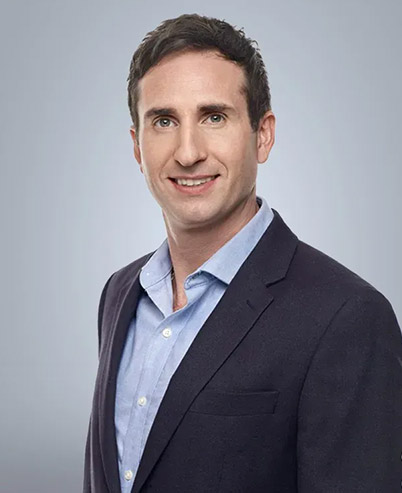
Dr. Jordan Atkinson
Dr. Jordan Atkinson is a naturopathic physician with a focus in aesthetic medicine. Dr. Atkinson injects: Botox, Dysport, fat dissolvers, and PRP.
Dr. Jordan Atkinson has advanced training across North America and Europe. He continually participates in continuing medical education in order to ensure that his patients receive the newest, safest treatments, and techniques. Dr. Atkinson has over 12 years of injecting experience and creates individualized treatment plans that are tailored to meet each of his patient’s specific needs. Dr. Atkinson prides himself on producing beautiful, natural results.
Our New Practice
Akin Skin Aesthetics
487 Davie St - Unit 200
Vancouver, BC V6B 2G2
Call Us 604.331.0879